Becoming a volunteer is an important and meaningful way to help individuals and communities. And, as Calvin Holbrook discovers, the benefits of volunteering to the person giving – such as improved self-esteem and reduced loneliness – are proven by science.
With lots of us leading incredibly busy lives, the idea of volunteering – giving your time and energy to a cause without financial compensation – may seem an impossible task. Our time is precious; once gone, we can't get it back. I mean, how can we fit anything else into our already jam-packed schedules?
However, in reality, volunteering is important for many reasons and doesn't have to take up a huge chunk of your time. Plus, as well as the obvious benefits of volunteerism to the community, individual or organization receiving assistance, there are lot of benefits – physical and mental – for the volunteer.
It's these benefits that could partly explain the rise in popularity of volunteering over the past few years. Post-pandemic, during 2022-3, 34% of adults in England, UK, said they'd formally volunteered at least once a month. And the figure in the United States is not far off, at around 28%.
Promisingly, an increasing number of these people are young adults. More young people – especially Millennials and Gen Z – are getting involved. Over half of them report volunteering for non-profits, far surpassing older generations. For example, 54% of Gen Z adults have volunteered recently, while 73% claim to seek easy ways to volunteer online.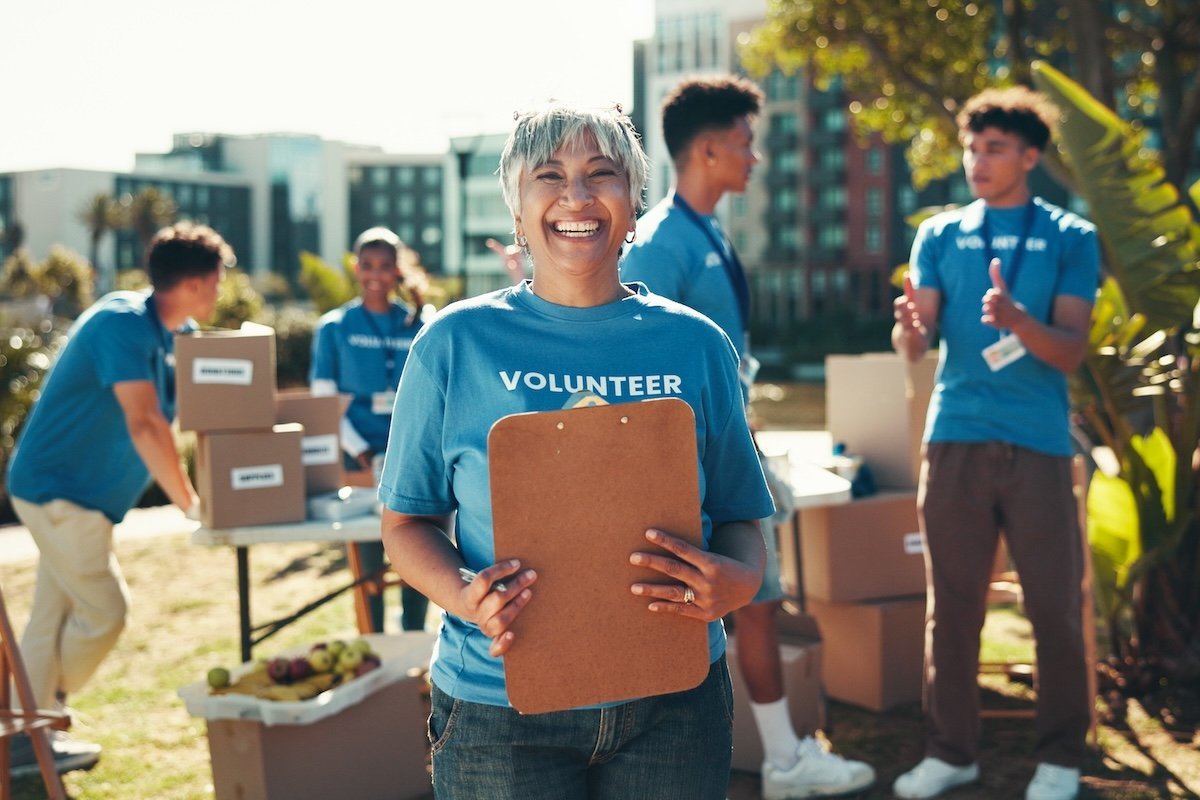 Volunteering is an important tool to connect communities
So, why do people volunteer in the first place? The Greek philosopher Aristotle once said that the essence of life is “to serve others and do good,” and it seems an increasing number of us are starting to wake up and see why volunteering is important, and that serving and helping different communities also benefits ourselves, too.
Why is Volunteering Important?
Volunteering is important as it offers essential help to worthwhile causes, people in need, and the wider community. Indeed, many organziations and charities rely on the generosity of volunteers as they’re only part-funded through government or local councils, and cannot afford to pay salaries for all their staff. In fact, many companies depend almost solely upon teams of volunteers to help them thrive and do their work.
What Are the Benefits of Volunteering?
Of course, the benefits of volunteering for those receiving help are clear. Whether it’s providing kids in a Third World country with free English classes or litter picking at your local beach, the benefits to the receiver and the wider community are usually part of the reason why you decide to volunteer in the first place.
“Volunteering is important as it offers essential help to worthwhile causes, people in need, and the wider community.”
But did you realise just how important volunteering can be for the person doing it? In fact, volunteering is beneficial to the doer for a whole host of reasons, including stress reduction, combating depression and providing a sense of purpose.
And while studies show that the more you volunteer, the more benefits you’ll experience, volunteering doesn’t have to involve a long-term commitment. Even giving in simple ways can help those in need and improve your overall health and happiness.
So, let’s take a closer look at just why volunteerism is valuable with these seven key benefits of this altruistic act.
1. Volunteering Connects You With Others
If you’re feeling lonely, isolated, or simply want to widen your social circle, volunteering in your local community is an important – and often fun – way to meet new people. In fact, one of the best ways to make new friends and strengthen existing relationships is to commit to a shared activity together, and volunteering lets you do just that.
If you’ve recently moved to a new city or country, volunteering is an easy way to meet new people, strengthening your ties to the local community and broadening your own support network. Furthermore, it connects you to people who have common interests, who could go on to become great friends.
RELATED:
- The Importance of Community: 7 Key Benefits
- Happy Habits: 12 Ways to Boost Joy Levels Daily
- Finding Your Tribe: The 7 Steps You Need to Take
In fact, volunteering is an important and interesting way to meet people who you might not normally connect with: people from different age groups, ethnicities or social groups. Because volunteering is open to everyone, it allows you to meet a wide variety of people from all sorts of walks of life, something that can only broaden your life experience further.
2. Volunteerism Builds Self-Confidence and Self-esteem
Doing good for others and the community helps to create a natural sense of accomplishment and satisfaction. Working as a volunteer can also give you a sense of pride and identity, helping to boost your confidence further by taking you out of your comfort zone and environment.
Indeed, volunteering helps you to feel better about yourself, which you can then take back to your ‘regular’ routine, hopefully creating a more positive view of your own life and future goals.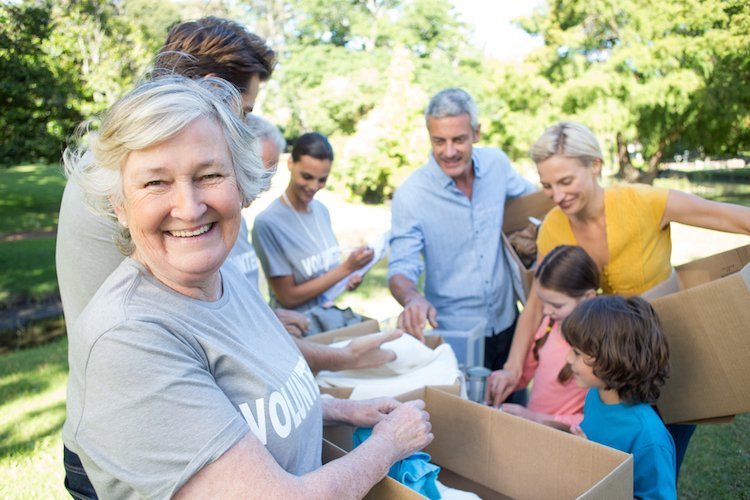
Volunteerism builds self-confidence and reduces loneliness
If you’re naturally shy or fearful of new experiences, cultures and travel, volunteering overseas could be an important and insightful way to help you build self-confidence in this area (not forgetting the other benefit of this type of volunteering – a chance to see a bit of the world at the same time!).
Furthermore, research shows that volunteering could be particularly useful in boosting the self-esteem and confidence of adolescents who are just starting their life journey. A 2017 study from the University of Missouri and Brigham Young University examined how sharing, helping and comforting others affected self-confidence. The study found that altruistic behaviors raises teens' feelings of self-worth, and that adolescents who assisted strangers reported higher self-esteem one year later.
RELATED: What Teens Gain When They Contribute to Their Social Groups
A National Youth Agency report seemed to corroborate this evidence. In it, young people aged 11 to 25 “repeatedly stressed that volunteering had increased their self-confidence, self-esteem and self-belief.” This self-confidence boost was shown to be strongly linked to improved communication skills, especially amongst young volunteers who were previously nervous about meeting new people.
3. Volunteerism is Important For Physical Health
Interestingly, volunteering has distinct health benefits that can boost your mental and – perhaps surprisingly – physical health. Indeed, a growing body of evidence suggests that people who give their time to others might benefit from lower blood pressure and a longer lifespan.
“If you’re feeling lonely or simply want to widen your social circle, volunteering in your local community is an important – and fun – way to meet new people.”
A 1999 study showed that so-called ‘high volunteers’ (helping out at two or more organizations) had a 63% lower mortality rate than non-volunteers. And more recent research (2013) from Carnegie Mellon University found that adults over 50 who volunteered regularly were less likely to develop hypertension compared to non-volunteers.
Lead study author Rodlescia Sneed said that carrying out volunteer work can increase physical activity among those who aren’t normally very active, and that it could also reduce stress: “Many people find volunteer work to be helpful with respect to stress reduction, and we know that stress is very strongly linked to health outcomes.”
Importantly, volunteers seem to notice these health benefits too. Indeed, a 2013 study from UnitedHealth Group and the Optum Institute of over 3,300 adults revealed that 76% of those in the United States who volunteer said it makes them feel physically healthier. Also, around 25% said that volunteering had been important in helping them manage a chronic health condition.
4. Volunteerism Improves Mental Health
When it comes to volunteering being important for mental health, the benefits are clear. Being altruistic can help counteract the effects of stress, depression and anxiety. Indeed, the social contact aspect of helping others can have a profound effect on your overall psychological well-being.
Volunteering keeps you in regular contact with others and helps you develop a solid support system, which in turn combats feelings of loneliness and depression. Volunteering with animals has also been shown to improve mood while reducing stress and anxiety.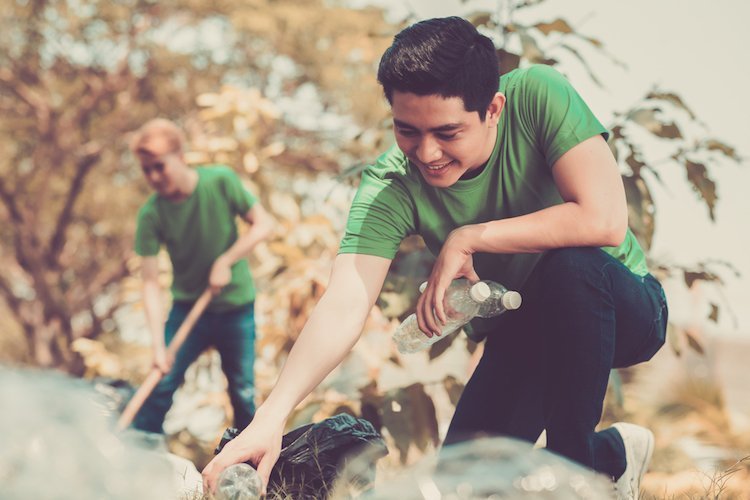 Volunteering can improve your physical health
Finally, volunteering boosts mental health simply because carrying out an altruistic act simply makes you happier; the so-called 'helper's high'. Human beings are hard-wired to give to others, and by measuring so-called brain activity and happiness hormones, researchers know that being helpful delivers great pleasure.
RELATED:
- How to Be Nicer: 9 Ways to Show Kindness
- Shared Humanity: Why it Matters
- Human Kindness: Why We Need it More Than Ever
A 2008 study from the London School of Economics examined the relationship between volunteering and happiness in a large group of American adults. They found that the more people volunteered, the happier they were. Compared with people who never volunteered, the odds of being ‘very happy’ rose 7% among those who volunteer monthly and 12% for those who volunteer every two-to-four weeks.
5. Volunteering is Important For a Purpose
Because volunteering means choosing to work without reward, people often choose to give their time to issues or organisations they have a special connection to. For example, if you're a big animal lover you may want to volunteer at a pet shelter. Or, perhaps you’ve living with or have recovered from an illness and want to dedicate some of your spare time to a charity that helps others living with the same condition.
Volunteering like this helps address a social problem that is meaningful to you and in turn helps to build a sense of purpose, which further boosts your own happiness levels.
“When it comes to volunteering being important for mental health, the benefits are clear. It can help counteract the effects of stress, depression and anxiety.”
You can try volunteering at any age to help build a sense of purpose, but it’s often particularly common in older adults – those that have retired or maybe lost a partner of friends. Whatever your age of life story, volunteering can be an important technique to help give your life new meaning and direction.
6. Volunteering Helps You Forget Your Own Problems
People also volunteer because focusing on others can give us a deeper sense of perspective and help distract us from negative thoughts and rumination. Volunteerism often involves helping those in need and can be useful in showing us that, in fact, our own lives are not as bad as we thought they were.
RELATED: Volunteering at Samaritans
7. Volunteering Is Important For Your Career
In an increasingly competitive job market, volunteering experience is incredibly useful. It shows potential employers that you take initiative and are willing to give your own time to improve the world for others.
Furthermore, volunteering gives you the opportunity to practice important common skills used in the workplace, such as communication, teamwork, problem solving, planning, and organization. Indeed, if you haven’t had a full-time job before, volunteering is a great way to prove your skills during interviews. 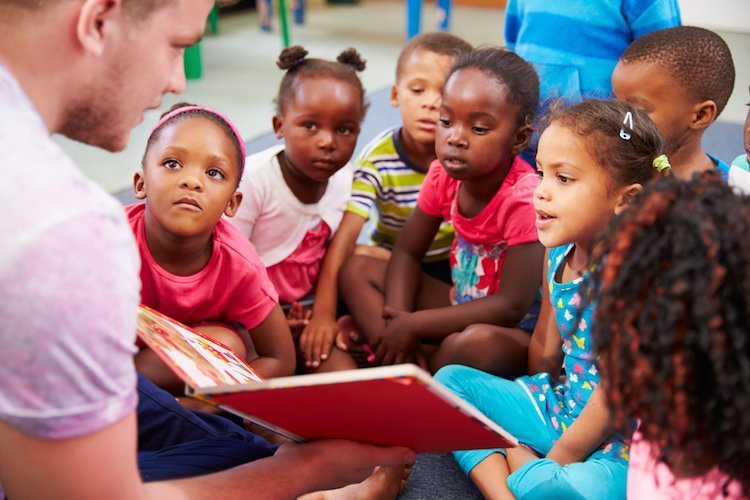 Boost future job prospects through volunteerism
Also, if you’ve just graduated or are looking for your first job, volunteering is an important and relatively easy way to get a foot in the door of a company you’d like to work with. Even if there's no immediate chance of employment afterwards, volunteering can help you to make connections for the future.
Furthermore, if you’ve already had jobs and are considering a change of direction, volunteering is an important and fun way to try out different career options, especially if you’re not quite sure of where you want to go next. Indeed, volunteering offers you the chance to try out a new career without making a long-term commitment.
Takeaway: Why Do People Volunteer?
It's clear the benefits of volunteerism are huge – improved physical and mental health, reduced loneliness, clearer sense of purpose, and deeper self-confidence. In turn, these things combined will help to boost your overall happiness: a win-win situation for all involved.
If you're considering volunteering, ask yourself a few questions before taking the plunge. Firstly, think about which causes you're passionate about – it means you're more likely to enjoy and stay committed to the work.
Secondly, are you looking for regular volunteering opportunities or a one-off project?
Thirdly, what skill set can you offer and what can you hope to gain from volunteering? Good luck when you finally get going, and make sure you have fun – volunteering is important, but it's important to enjoy it too! •
Images shutterstock/Dragon Images, /ESB Professional, /PeopleImages, /Monkey Business Images
Do you volunteer? What are the benefits for you? Share in the comments below...
happiness.com | The fine art of being: learn, practise, share
Are you a happiness.com member? Join free now and:
■ enjoy our happiness magazine
■ share and support in our happiness forum
Written by Calvin Holbrook
 Calvin edits our online magazine, makes art and loves swimming, yoga, dancing to house/techno, and all things vintage!
YOU MAY ALSO LIKE
Forum discussions
-
- 0 replies
- 1,287 views
-

- da****
-
- 1 reply
- 1,995 views
-

- Ka****
-
How I Deal with depression, anxiety, or other mental health challenges: My Journey
By Po**** , in Mental Health Forum
- 11 replies
- 3,734 views
-
- Mi****
-
- 5 replies
- 2,975 views
-
- jo****
-
- 6 replies
- 3,303 views
-
- Sh****
Join the conversation
You are posting as a guest. If you have an account, sign in now to post with your account.